
Neurodivergent-Affirming Therapy
Your mind works differently. Therapy should, too.
If you are neurodivergent, therapy should not feel like another place where you have to translate yourself, mask your needs, or force your life into strategies that were not built for you. Nick Highland, LMHC, CASAC-2, offers telehealth neurodivergent-affirming therapy across New York for adults navigating ADHD traits, autistic burnout, masking fatigue, executive dysfunction, anxiety, self-doubt, and shame.
No pressure. Ask questions and see if working together feels like a good fit.
Now accepting new patients for telehealth sessions in New York.
In network with major plans. View insurance & self-pay rates.

Neurodivergence Support
Affirming support that focuses on understanding your brain, reducing shame, and building systems that work with how you naturally think and function.

LGBTQAI+ Affirming Support
Respectful, identity-affirming counseling for LGBTQIA+ individuals navigating identity, relationships, family dynamics, or the intersection of sexuality, gender, and faith.

Anxiety & Depression
Support for people who feel stuck in cycles of worry, overwhelm, or low mood and want practical ways to regain steadiness and engagement with life.

Life Transitions & Values Clarification
Counseling that helps you clarify what matters most and move toward a life that feels aligned and intentional.

Faith, Spirituality & Religious Trauma
A space to process harmful or confusing religious experiences, rebuild your sense of identity, and decide what role faith or spirituality will have in your life moving forward.
People Often Reach Out to Me When…
- They are neurodivergent, or think they might be, and feel exhausted from years of masking, adapting, or trying to fit expectations that were not built for them.
- ADHD traits, autistic burnout, executive dysfunction, sensory overwhelm, or difficulty with transitions are affecting daily life, relationships, work, or self-trust.
- They seem capable from the outside, but internally feel overwhelmed, shut down, scattered, or constantly behind.
- They want support that understands neurodivergence without treating it as a defect or turning therapy into more performance pressure.
- They are trying to reduce shame, build more workable systems, and understand themselves more honestly.
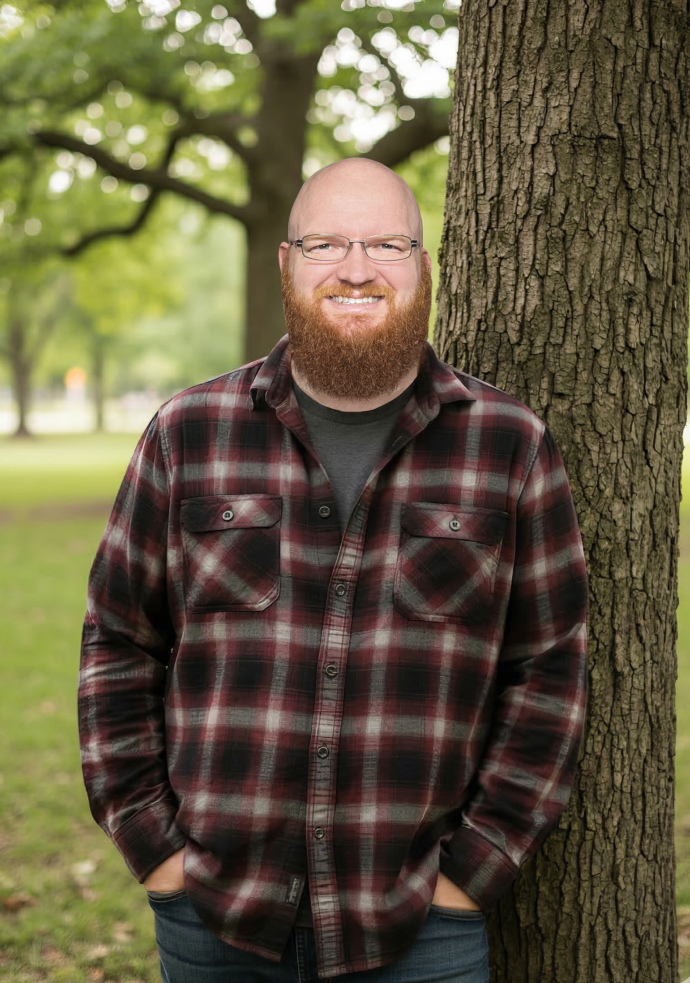
Hi. I'm Nick.
LMHC, CASAC-2

Hi, I’m Nick.
I’m a licensed mental health counselor in New York (LMHC, CASAC-2) and I work primarily with adults navigating anxiety, relationship difficulties, questions of identity and meaning, spiritual or religious struggles, and substance use concerns.
My approach is grounded in psychodynamic and narrative therapy. In our work together, we explore the patterns, experiences, and personal stories that shape how you see yourself and your relationships, with the goal of developing greater clarity, freedom, and direction in your life.
I bring nearly two decades of experience walking alongside people through complex personal challenges. My style is thoughtful, direct, and collaborative. While therapy often involves serious reflection, I also make room for humor. Many clients find that being able to laugh at times helps create perspective and makes difficult conversations easier to approach.
If you’re considering therapy, you’re welcome to schedule a free 15-minute consultation to see whether working together feels like a good fit.

How do I get started?
1. Schedule a free consultation
You do not need a perfect explanation of your needs before reaching out. We can start with what feels difficult, exhausting, or unclear right now, then use the consultation to see whether working together feels like the right fit.
2. Meet for your first session
Therapy for neurodivergence is not about treating the way your mind works as a problem to fix or giving you strategies that only create more pressure to perform. The work often starts with getting more specific: where are you masking, overextending, shutting down, or trying to force yourself into systems that do not fit? What has helped you survive, and what is now costing too much?
3. Work toward meaningful change
Therapy is a process that unfolds over time. Together we will work toward reducing shame, building more workable systems, understanding your needs more honestly, and creating changes that support a life that fits the way you actually think, feel, recover, and relate.
FAQ
Do I need a formal diagnosis to seek neurodivergent-affirming therapy?
No. Some people come in with a diagnosis, some are self-identifying, and some are still sorting out what fits. Therapy can still be useful without requiring certainty first.
Is this therapy only about productivity strategies?
No. Practical systems can matter, but the work is primarily focused on what matters most to you. That may include things like shame, burnout, identity, boundaries, relationships, the emotional impact of living in environments that may not fit you well, or something else entirely.
Can this overlap with anxiety work too?
Absolutely. Anxiety often overlaps with masking, overwhelm, and chronic self-pressure.
We’ll focus on what matters most to you. If anxiety is your current focus, that’s where we’ll start.
How Therapy Can Help
Neurodivergent-affirming therapy often includes understanding patterns before (or rather than) trying to “fix” them. That might mean making sense of executive dysfunction without turning it into a moral issue, reducing shame around missed expectations, exploring masking fatigue, and identifying where your environment is working against you. It might not be about a “fix” at all, but just helping you to love your own mind.
The work can also involve systems, boundaries, pacing, identity, relationships, and self-advocacy. Sometimes the most meaningful shift is not learning one more productivity trick. It is learning to stop measuring yourself by standards that were never built with consideration for the realities you face.
Fees & Insurance
I work with adolescent and adult clients located in New York State via Telehealth (Virtual Sessions). Sessions are typically weekly for a duration of 53 minutes (per insurance guidelines).
In-network plans
Insurance benefits vary by plan. Your out-of-pocket cost may be limited to your copay, coinsurance, or deductible.
Self-Pay Rate
If you prefer not to use insurance, the rate is:
53-minute session: $175
Substance Abuse Counselor